
Scroll
Dublin 2026
Standardising the Health Estate: Benefits, Boundaries and Risks
With the support of the Health Service Executive, Ireland

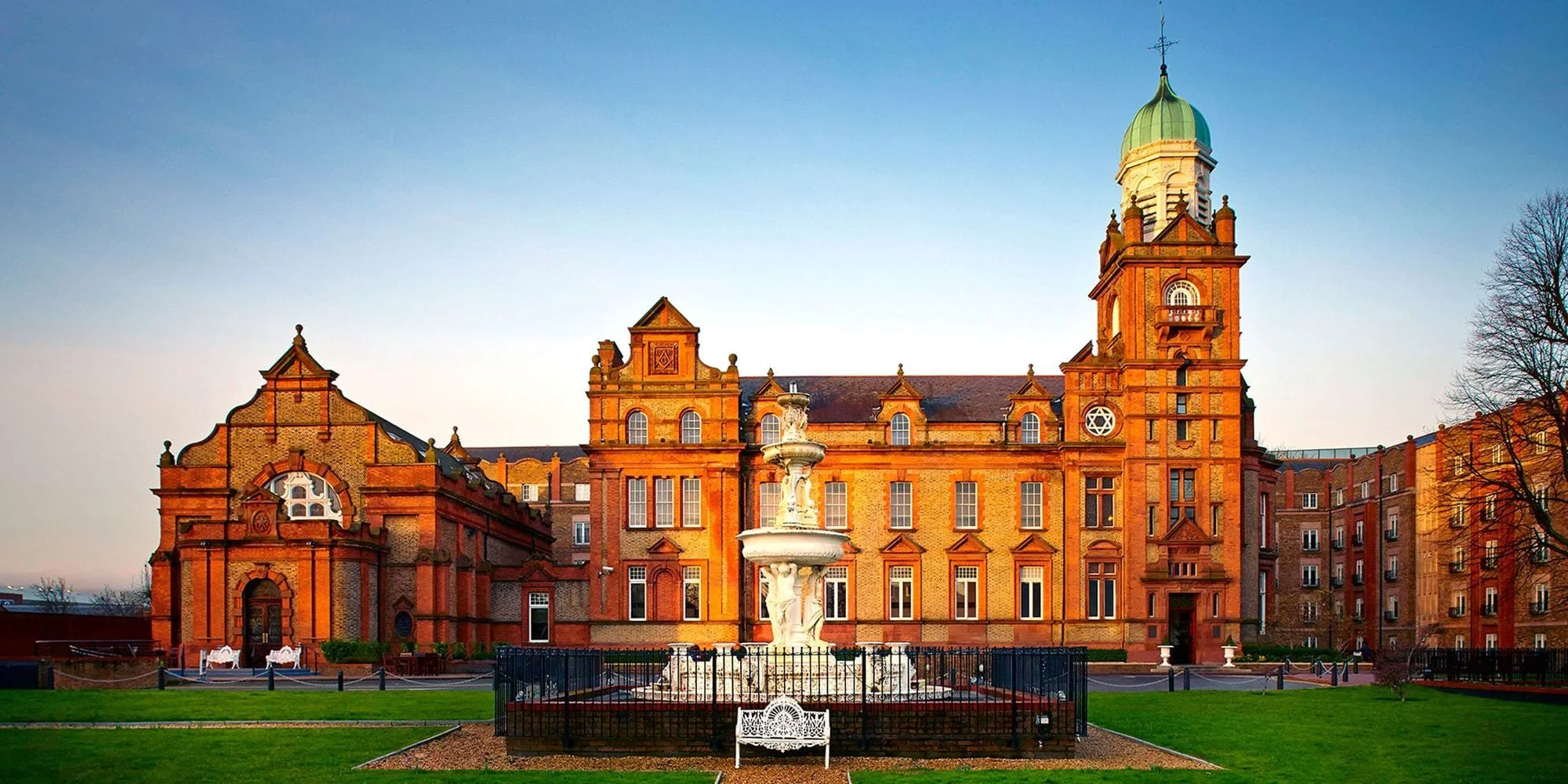
For the 2026 EuHPN workshop, we travelled to Dublin, Ireland, for a memorable programme of presentations and panel sessions which discussed the pros and cons of making the healthcare estate more uniform and consistent. Over two days, we reflected that, while standardisation can undoubtedly offer some benefits, it is subject to boundaries and risks, and it gives rise to questions about the mechanisms for creating, maintaining and using standards and guidelines for healthcare facilities, and how to learn from international comparisons. We also examined the specific issues that arise from utilizing and optimizing the existing, legacy estate.
The 2026 workshop welcomed over a hundred healthcare infrastructure professionals, clinicians, policy makers and finance experts from across Europe and beyond. One day three we offered tours to a range of recent healthcare capital investment projects in Dublin, including the New Children’s Hospital, an example of one of Ireland’s innovative surgical hubs, a primary and community care campus, and a forensic mental health facility.
The venue for the 2026 workshop was the iconic Victorian era Thomas Prior Hall, located in the Ballsbridge area of the city.
We are very grateful to the Health Service Executive, our EuHPN member organisation in Ireland, for their support and partnership throughout the preparation and running of the workshop. We also thank our workshop sponsors for their valuable contributions.
Sponsors of the 2026 Workshop


Oslo 2025
Health Facilities As Critical -Infrastructure: A Journey To A More Resilient and Sustainable Future
The 2025 EuHPN workshop welcomed over a hundred healthcare infrastructure professionals, clinicians, policy makers and finance experts from across Europe and beyond. Over the two days of the main workshop programme we discussed six themes related to the critical role that health facilities play in supporting effective, innovative, sustainable and safe health systems. In addition to the main programme, we offered tours of two highly interesting projects in Oslo: the Radiumhospitalet and the PHN psychiatric hospital at the Akershus University Hospital campus.
The venue for the 2025 workshop was the wonderful Holmenkollen Park hotel and conference centre, set high above Oslo city and with commanding views of the surrounding area.
We are very grateful to our EuHPN member organisation Sykehusbygg for their support and partnership throughout the preparation and running of the workshop. We also thank our workshop sponsors for their valuable contributions.

With the support

Scandic Holmenkollen Park Hotel


Barcelona 2024

Making Choices for Investment in Healthcare Infrastructure -by the support of
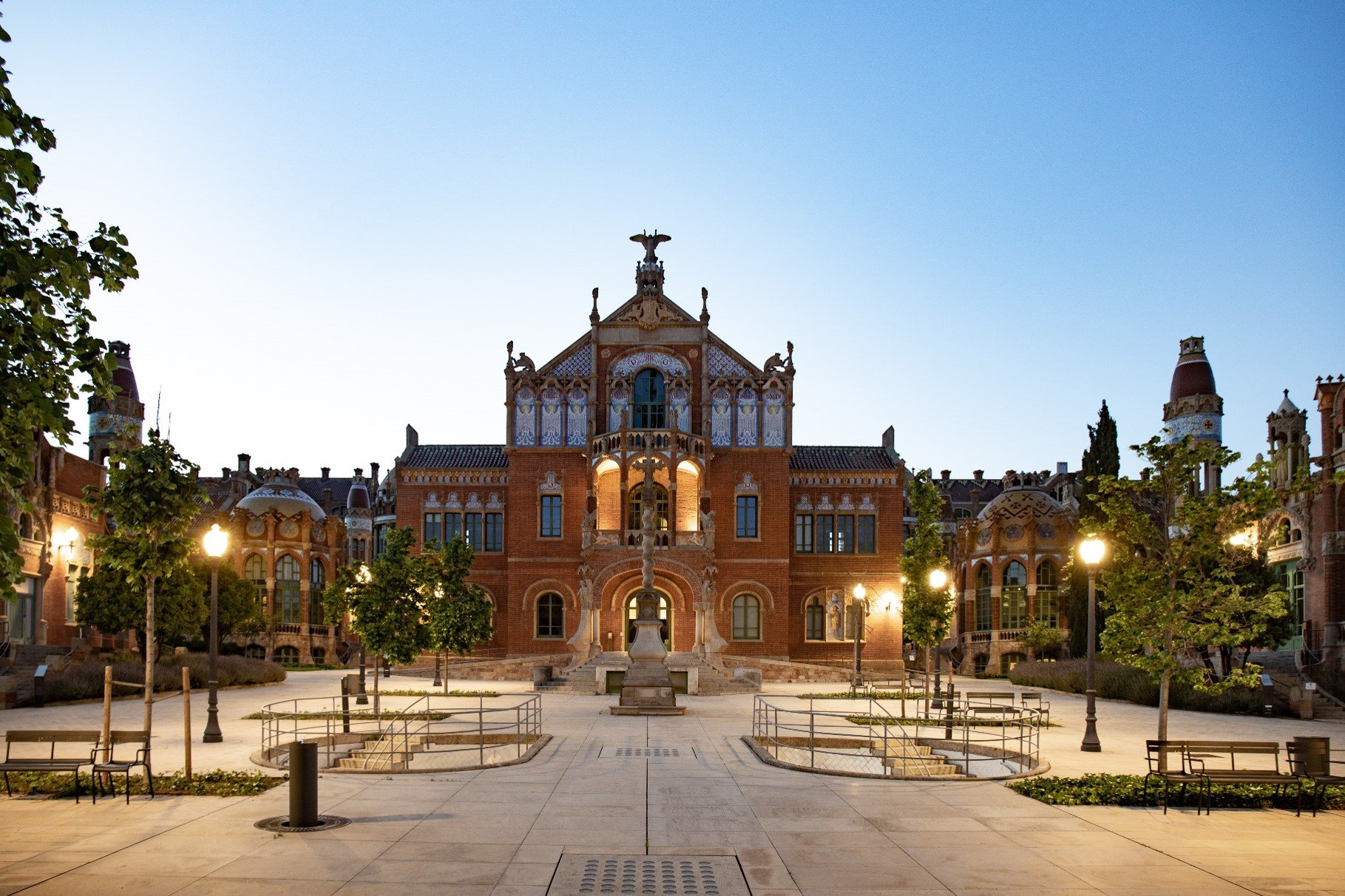
Our 2024 workshop was held in the amazing surroundings of the Recinte Modernista Sant Pau, the former hospital site that is now home to conference facilities, health agencies and a beautiful museum.
Over three days we heard from experts in many fields related to planning, designing, building and financing all kinds of health infrastructure, all focused on how to make critical investment decisions to improve the physical environment of healthcare.
The 2024 workshop was attended by speakers and participants from 17 different countries, including some from as far away as Australia, South Africa and the Philippines. Alongside the main programme we were able to offer tours of some fascinating health facilities: the Kalida Centre, the Hospital del Mar and the Sant Joan de Déu children’s hospital.
We are very grateful to our partner organisation, CatSalut, which provided so much help in relation to the venue, speakers and the logistics of the event. Many thanks also to our sponsors helping to make the 2024 workshop such a success.

PRESENTATIONS
Presentations
Generative AI and Technological Developments Applied to Hospital Design
Francisco Ortega Montoliu, Enero Arquitectura, Spain
Humanising the hospital through refurbishment and incremental change
Albert Bota Arque, Sant Joan de Deu Hospital, Barcelona
Investing in facilities that promote access to holistic care of the person
Laia Isern Meix, Vitaller Arquitectura / Isabel Haro, Hermanas Hospitalarias - Hospital Mare de Déu de la Mercè, Spain
A modern and innovative approach to Strategic Estates Management of Healthcare Infrastructure
Peter Sellars, Chief Executive, Institute of Hospital Engineers and Estates Managers (IHEEM) and Suzanne MacCormick, Clinical Planner & Healthcare Specialist, UK.
How not to procure hospitals which promote sustainability and social value. Case study: Finland
Joseph Mulcahy, Harris-Kjisik Architects, Finland
Responding to zero-carbon urgency through digital transformation of the health system
Gunther De Graeve, Managing Director, Destravis, Austrialia
Single patient rooms: evidence, trade-offs, lessons for future hospital design
Liesbeth van Heel, Erasmus MC, Netherlands
Future flexibility and adaptability in buildings, both new and existing
Juan Gallostra Isern, Ingeniero Industrial, Presidente JG Ingenieros, Spain
An introduction to the Kalida Centre: how to design for a compassionate, humane, culturally sensitive model of care.
Joan Reventós Rovira, Director, Kalida Centre, Barcelona.
Being ‘at home’ – a new atmosphere
Clara Rius, Architect and Partner at Ahead Barcelona Healthcare Architect
How innovative procurement can contribute to improvements in healthcare – a P4H project example.
Marcin Kautsch, Procure4Health Project Coordinator, Poland.
What happens to a hospital estate when reuse and reconfiguration options are exhausted?
Ferran Rodriguez- Omebes, Directorate of Infraestructure & Biomedical Engineering- Clinic Hospital, Barcelona.
The role of infrastructure in Primary Health Care (PHC)
Stephen Wright (Honorary Professor, Bartlett Faculty, University College London)
STUDY TOURS
Featured
Hospital del Mar
Elisabet Izquierdo- Directora de Serveis Generals i Infraestructures- Hospital del Mar
Raúl García- PINEARQ
Hospital Sant Joan de Déu
Xavier Escayola Elias, Responsable de Bioenginyeria, Hospital Sant Joan de Déu

Photo by Adam Mørk
Copenhagen 2023
Whole System Transformation of Healthcare Infrastructure
The 2023 EuHPN workshop saw an amazing array of presentations from people and organisations working across many fields in healthcare infrastructure: architecture, engineering, design, human factors, research, AI, logistics and service integration. It was a pleasure to hear from so many experts and to have the opportunity to have some in-depth discussions during our three days in Copenhagen. Special thanks to our Danish colleagues who did such a wonderful job of explaining the recent changes to healthcare infrastructure in Denmark, and who also provided us with some inspiring case studies.

Presentations
Danish Healthcare: Perspectives on innovation and future technologies in primary care
Ida Hvitved, Chief Advisor, Healthcare Denmark
Architecture and behaviour : designing the new children’s hospital for the Rigs Hospital campus
Stig Vesterager Gothelf, Architect MAA, Senior Partner, 3XN, Denmark
MonIA - project: Diverse and integrated living solutions for persons with memory decline
Professor Laura Arpiainen – Aalto University Finland
Flexible and adaptable clinical spaces: a new paradigm?
Dr Anne Symons, Bartlett School of Sustainable Construction, UCL (UK)
Hybrid Environments, spanning community , primary and hospital care
Unni Dahl, Pål Ingdal and Sturla Ditlefsen, Sykehusbygg
Augmented Healthcare Design of the Future
Jan Buthke
Head of LINK IO, Digital Innovation Lead
Architect
Beyond the hospital: environments for dementia care
Johannes Pedersen, Partner/Director, Nord Architects
Clinical workflow and human factors in OT design
Professor Dr. Clemens Bulitta,
Dean of the Faculty of Industrial Engineering and Healthcare at the Technical University of Applied Sciences Amberg-Weiden (Germany)
Towards sustainable and future proof Healthcare buildings in the Netherlands
Adam Bufacchi and Menno Hinkema
TNO, Netherlands
Policy into practice – how Scotland and Ireland are making Net Zero targets achievable and affordable for healthcare buildings
Susan Grant,
Principal Architect, NHSS Assure- Health Facilities Scotland
Centralising Expertise in Hospitals and Care Closer to Home
Dr Louella Vaughan MBBS DPhil FRACP FRCP
Senior Clinical Research Fellow, The Nuffield Trust
Consultant Physician, Royal London Hospital
5 multipurpose hospital buildings in 20 weeks
Rafael Delgado and Gabriela Martínez,
Arquitectos Servei Català de la Salut
Planning and financing the hospital transformation in Denmark
Kjeld Møller Pedersen,- University of Southern Denmark/ Aalborg University
Basel 2019
Basel, Switzerland, was the backdrop for the 2019 workshop, where speakers from 15 countries took on the theme Getting It Right First Time, For Patients' This theme allowed speakers to explore the high level, strategic planning of healthcare infrastructure (the right buildings in the right place), as well as detailed consideration of design issues. In addition to hearing a series of expert presenters, this year the participants were able to take an active role in some prototyping co-design sessions. The 2019 workshop was supported by walkerproject ag and by our main corporate sponsor Ramboll.


Featured
Planning for Change: Evaluation of Hospital Design Strategies
Dr Nirit Pilosof, Technion - Israel Institute of Technology.
Methods, doubts and data. How do we really know what patients and staff want from care models and infrastructure?
Dr Marisa Mason and Dr Vivek Srivastava, Na-tional Confidential Enquiry into Patient Out-come and Death (NCEPOD), UK
Shifting care resources using predictive analyt-ics and AI: the case of Finland
Pentti Itkonen, CEO, South Karelia Social and Healthcare District, Finland
The Foundry: making a success of integrated, population-based care for youth
Professor Laura Arpiainen, Aalto University, Finland
Health Building Sustainability (HBSA) Tool app launch
Dr Maria de Fátima Castro, University of the Minho, Portugal
Learning lessons from health facilities in Northern Ireland
Brendan Smyth and Katherine Hanratty, Health Pro-jects Division, Department of Finance, Northern Ire-land
20 years of transformative change in hospital development
Liesbeth van Heel, Senior Policy Advisor, Erasmus MC, Netherlands
Improving project delivery though systematic post-occupancy evaluation: Swedish examples
Anders Medin, White Arkitekter, Uppsala office, Sweden
Patient collaboration in Region Skåne. Patients in the planning processes, crucial for the future
Astrid Hansson, Kirsti Marttila-Gaard, Kristina Olsson, Region Skåne, Sweden
Assuring and improving healthcare quality in Europe
Professor Reinhard Busse, Berlin Technical Univer-sity, Germany
Developing pre- and post-occupancy evaluation of Norwegian hospitals
Unni Dahl and Lilian Leistad, Sykebusbygg, Norway
Charactering hospitals, sustainable business models, taking decisions
Mr Stephen Wright, Independent Consultant
Does size matter? What's the future for hospitals in health systems?
Dr Antonio Duran, CEO, Alldmh Consulting, Spain
The Swiss context for hospitals and healthcare
Dr Werner Widmer, CEO, Stiftung Diakoniewerk Neumünster in Zollikerberg/Zürich
Gothenburg 2018
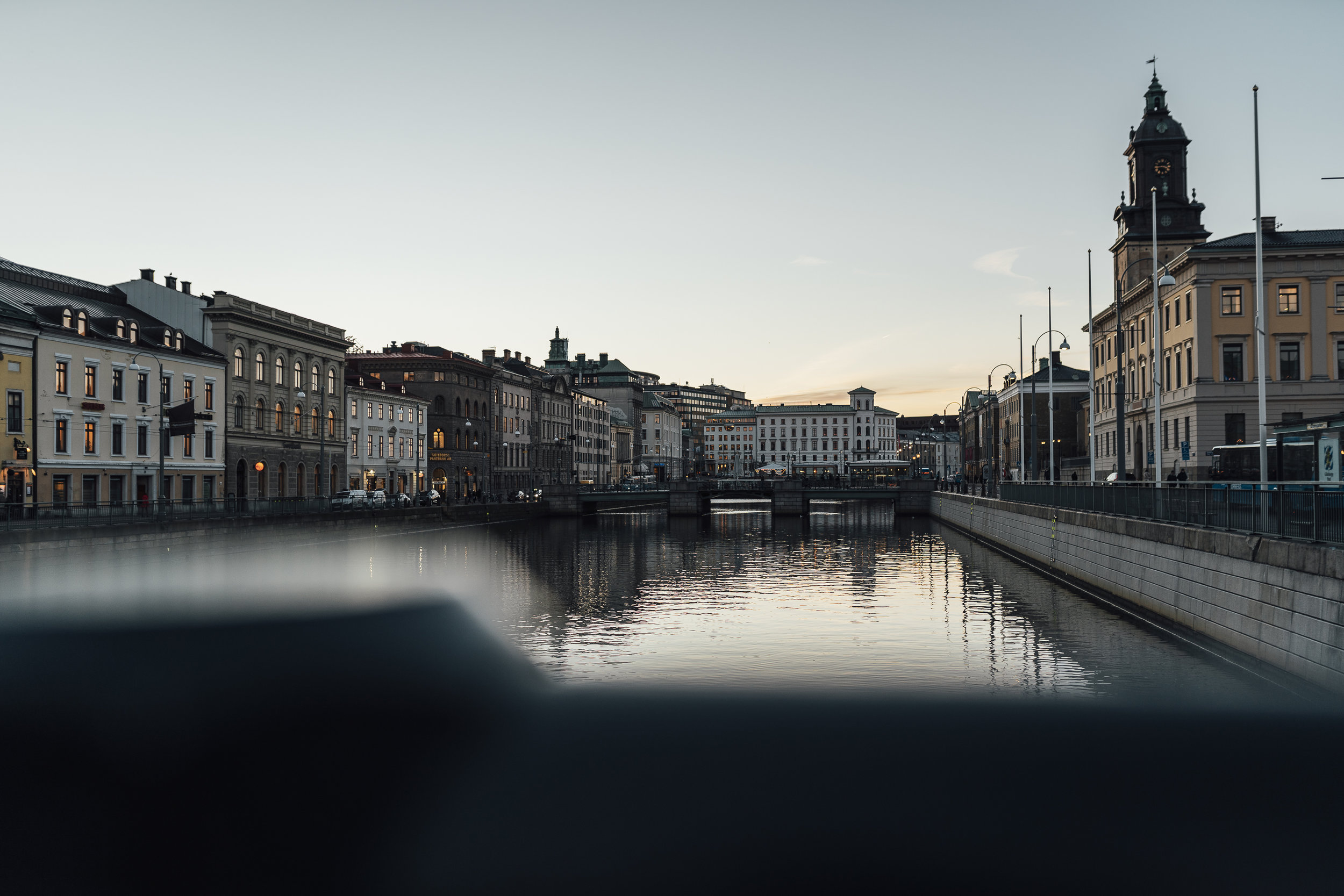
EuHPN’s 2018 workshop took place in Gothenburg, Sweden, with generous support from our member organisations White Arkitekter and Chalmer’s University of Technology’s Centre for Healthcare Architecture. Around a dozen European countries were represented by 90 participants, and in addition to a series of top class presentations on our theme of Research and Evaluation for Care Closer to Home the attendees were able to visit the Carlanderska Hospital and the Nötkarnan bergsjön primary care centre – both award winning examples of design for health facilities.


Presentations
Research and Evaluation for Care Infrastructure Closer to Home: Closing Remarks
Prof. Arch. Simona Ganassi Agger, Chair, European Health Property Network
The initiative of the ‘buurtziekenhuis’ (neighbourhood hospital)
Prof. dr. Bianca Buurman, professor of acute geriatric care, Amsterdam University Medical Centers, University of Amsterdam, The Netherlands.
High resolution healthcare assistance (an alternative to the ‘general hospital’)
Architect José Carlos Palmer Martínez, Planho Consultores, Spain
Better by design: cost savings of evidence-informed design (not linked)
Professor Roger Ulrich, PhD, Center for Healthcare Architecture, Chalmers University
The right to health for all: an inclusive approach to co-design of hospital care with local residents (no link)
Pernilla Norden and Börje Blomster, Sweco, Sweden
Designing a primary care centre to meet the needs of local citizens
Christer Andersson, Nötkarnan bergsjön center, Sweden
The Carlanderska Hospital: principles of design for specialist but local care
Ulla Antonsson and Roger Johansson, White arkitekter, Sweden
Strategic decision support through integrated modelling of alternatives
Menno Hinkema and Andrew Koster, TNO, Netherlands
Virtual Infrastructure and the Healthcare Ecosystem
Rick Shands, Director, Total Alliance Health Partners International (TAHPI), UK
FrailtySIM: changing perceptions and improving the lives of older people
Dr Sunil Angris, GP and Director, Fusion48 and David Seymour, Director, Fusion48, UK
Turin 2017
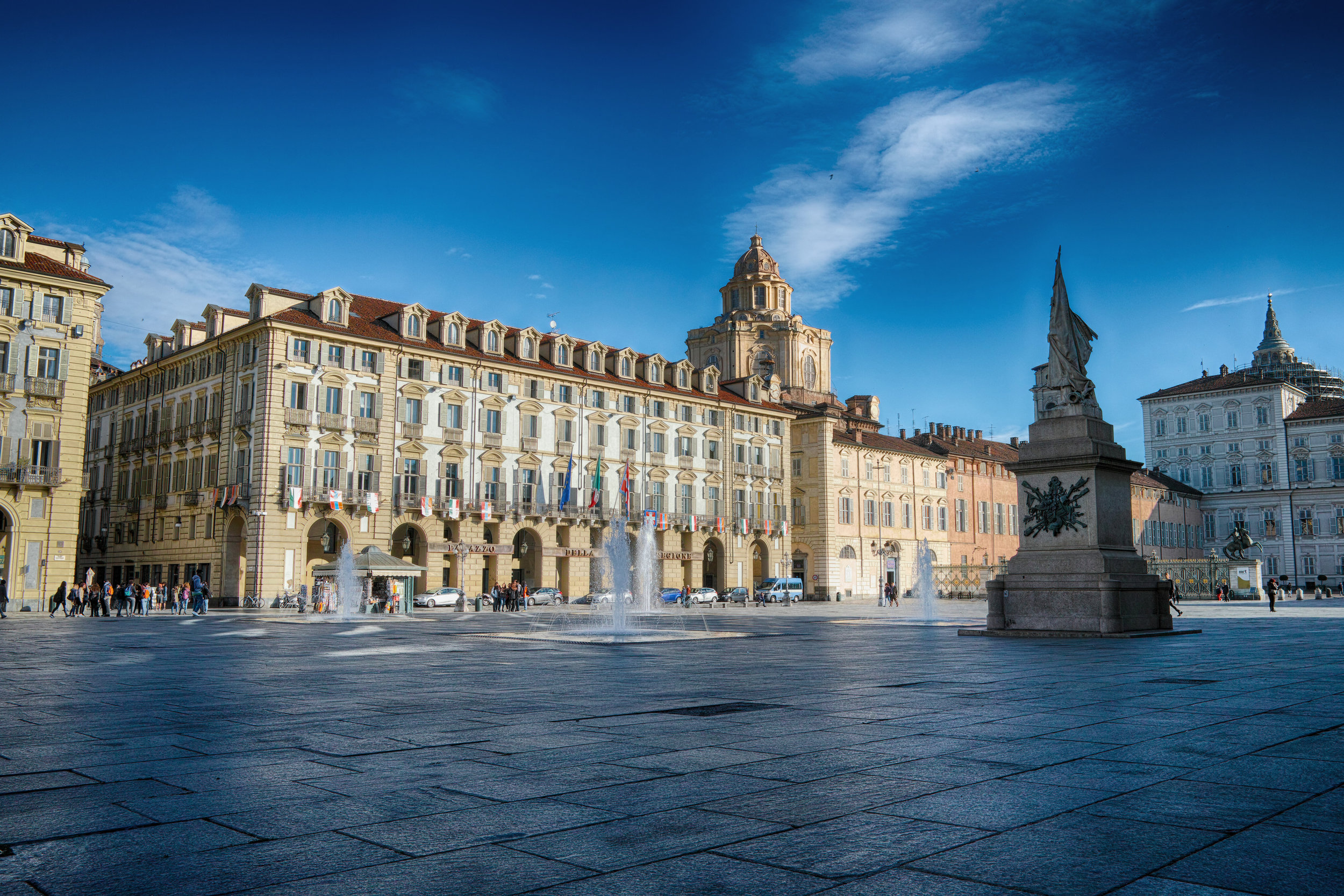
The 2017 EuHPN workshop took place from 20 to 22 November in Turin, Italy.
Presentations from the speakers are listed below.
Presentations
Future health: perspectives from outside Europe
Luis Gonzalez-Sterling, Árgola Arquitectos, Director of Healthcare Architecture, Spain
European Investment Bank: Promoting European Objectives (not linked)
Stefan Wunderlich, Life Sciences and Health, European Investment Bank
The future of health infrastructure research
Liesbeth van Heel, Senior Policy Advisor, Erasmus MC, Netherlands
Guidance and Standards: the Future of HBNs and HTMs
Carole Crane and Paul Mercer, Architects for Health, UK
Legionella risk: disinfection of the water system
Angelo Ermidi, Key Account Manager, EMEC
Targeting capital investment for sustainability and patient benefit: evidence from 18 jurisdictions around the world
Rhonda Kerr, Health Economist, Clinical Services Planner Hames Sharley, Ph.D. Candidate in Health Economics, Curtin University; Director, Economics, Health Services and Planning, Guidelines and Economists Network International (GENI)
Design for sustainable, patient-friendly small hospitals (no link)
Martjan den Hoed, dJGA Architects, Netherlands
Madrid 2016
Details of the programme and presentations from Madrid 2016 are currently being uploaded. Please return over the next few days.
The 2016 EuHPN Workshop took place in Madrid, 23-25 November, at the headquarters of the College of Madrid Architects (COAM). This year we welcomed 70+ participants and speakers from a broader range of European countries than ever before, stretching from Finland to Serbia, and from Poland to Spain. As with all EuHPN workshops, the speakers and members of the audience comprised a mix of experts: health system policy-makers, health planners, strategic asset investment professionals, healthcare architects, hospital directors and healthcare facility managers.
Special thanks are due to the Puerta de Hierro and Mostoles hospitals, and the San Blas Municipal Healthcare Centre, who welcomed groups of participants to a study tour of their campuses on Friday 25th November.
You can download the final programme for the 2016 Workshop here, and the information about speakers here. The presentations from the workshop are in the table below.

Presentations
Building a knowledge sharing network to deliver the evidence needed to transform care
Erasmus MC, Netherlands
Liesbeth van Heel
Planning the patient’s health service – a case study from Helgeland, Norway
Norwegian Hospital Construction Agency, Norway
Gunn Haberget
The patient’s health service – how to further develop the health service to be best for the patient?
South Eastern Norway Hospital Construction Agency, Norway
Gunvor Ofsti
Clear Code Method: maximizing the accessibility of healthcare facilities (not linked)
PMMT, Forward Thinking Healthcare Architecture, Spain
Ines Fabregas
SmartCare Project and Friuli Venezia Giulia deployment site
Azienda Sanitaria Universitaria Integrata di Trieste (ASUITS), Italy
Sara Sanson
Designing for environmentally sustainable healthcare: the case of the Santa Lucia University General Hospital
CASA SOLO Arquitectos SLP, Spain
Roger Pernas Valles
Possible e-health contribution to the web of care
University of Krakow, Poland
Mateusz Lichon, Marcin Kautsch
Brussels 2015
The 2015 EuHPN Workshop took place in Brussels, 16-18 November, at the BIP building in the centre of the city. We welcomed 70+ participants from a dozen European countries, attracted by a top class line-up of speakers on a theme which is of central importance to improvements in healthcare facility development: Evaluation. Since this year marked the 15th anniversary of the founding of the European Health Property Network in Brussels, it seemed fitting to return to the same place to evaluate what the network has achieved over the years as well as the tools and methods now available for health building improvement. We were fortunate to hear from speakers who spanned a very broad range of disciplines, including health system policy development, patient advocacy, market research, healthcare architecture and planning, environmental improvement, hospital management and academic practice.
This year we intend to produce a published report of the workshop, thanks to assistance from a number of raporteurs who were in attendance. Special thanks are due to the directors of the AZ Monica hospital in Antwerp, who welcomed 20 participants to a study tour of one of their campuses on Wednesday 18th November.
You can download the final programme for the 2015 Workshop here. The presentations from the workshop are in the table below.

Presentations
Constructing a major hospital infrastructure project: lessons from the ‘Hospital of the Sea’, Naples, Italy (not linked)
Ospedale del Mare, Italy
Ciro Verdoliva
The OSCAR project: optimising building design to contribute to value creation
Multiconsult, Norway
Margrethe Foss / Sigmund Stikbakke
Patient-centred, sensory design in healthcare (not linked)
dJGA, Netherlands
Femke Feenstra/Emma van Dam
Usage of e-health solutions in Europe. Evaluation of Denmark, Poland, Spain and UK
University of Krakow, Poland
Marcin Kautsch/Mateusz Lichon
A patient-centric new hospital: the consequences. Case of the Maria Middelares hospital in Ghent (not linked)
Belgian Association of Hospital Directors
Pascal Verdonck
Edinburgh 2014
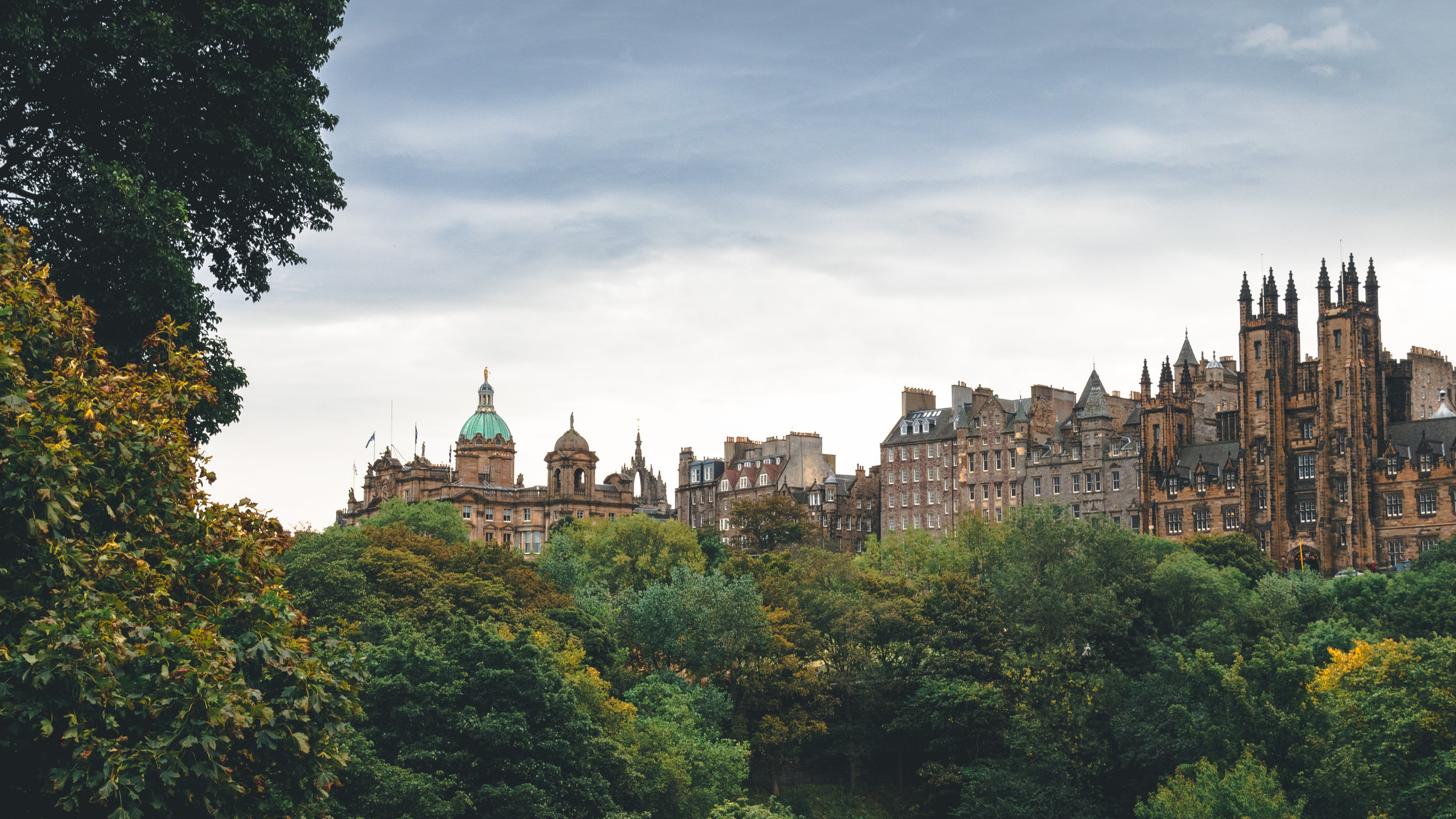
The 2014 EuHPN Workshop was titled Thinking Differently About Healthcare Buildings: innovative infrastructure planning and design to improve the quality and safety of care. You can download the programme for the event here, and speaker presentations are available from the table below.
Presentations
Telly, telly on the wall
Professor Nico van Meeteren, University Maastricht, Chair EUNNAAPA
Current State of BIM and STREAMER: the Architects Design Methodology
Martjan den Hoed, De Jong Gortemaker Algra, Netherlands
Innovations in Architectural Concepts for Hospitals
Maurits Algra, De Jong Gortemaker Algra, Netherlands
The STREAMER Project in Use: the Case of the Rijnstate Hospital, Netherlands
Willem-Jan Hanegraaf, Rijnstate Hospital, Netherlands
Innovation Procurement: Report from EcoQUIP Partner Sucha Beskidzka Hospital
Dr Marcin Kautsch and Mateusz Lichon, EcoQUIP (Sucha Beskidzka Hospital), Poland
Serbia’s Healthcare System: Will Hospitals Have New Roles?
Dr Zorica Terzic Supic, School of Medicine, University of Belgrade, Serbia
Improving Health and Social Care Environments for People with Dementia
Efthimia Pantzartzis, Loughborough University, Civil and Building Engineering, UK
Putting Service Users at the Centre of Planning and Design
Goran Lindahl, Chalmers University of Technology, Centre for Healthcare Architecture, Sweden
Drivers for Finnish Healthcare Reform – New Models and New Facilities
Dr Kati Myllymaki, Etela-Savo Hospital District, Finland
BIM Seminar 2014
As part of EuHPN’s regional seminar series, TNO (Netherlands) hosted a one-day event on Building Information Modelling (BIM) in Leiden on 17th April 2014. Participants attended from the UK, the Republic of Ireland, Sweden, Norway and the Netherlands. They were national and regional public administrators, architects, hospital designers, planners, construction company professionals and representatives of hospital or healthcare organisations.
The aim of the seminar was to share knowledge about the current state-of-the-art use of BIM in the healthcare sector, and one particular focus was to explore the advantages (or disadvantages) of using what is termed ‘open’ BIM – models and data that are freely available for all to use. The event was also designed to critically influence current BIM projects such as STREAMER.
This page provides links to the presentations that formed the core of the seminar and the discussions between participants. A report of the event is available to download here.
BIM presentations:
Case study: a strategy for use of BIM during the asset lifecycle, the case of the New Østfold Hospital
Birger Stamso, Head of Project Strategies – Buildings and Property, South Eastern Norway Regional Health Authority
Case study: why and how did we start with BIM? Rijnstate Hospital, Arnhem
Willem Jan Hanegraaf, Rijnstate Hospital
Budapest 2013
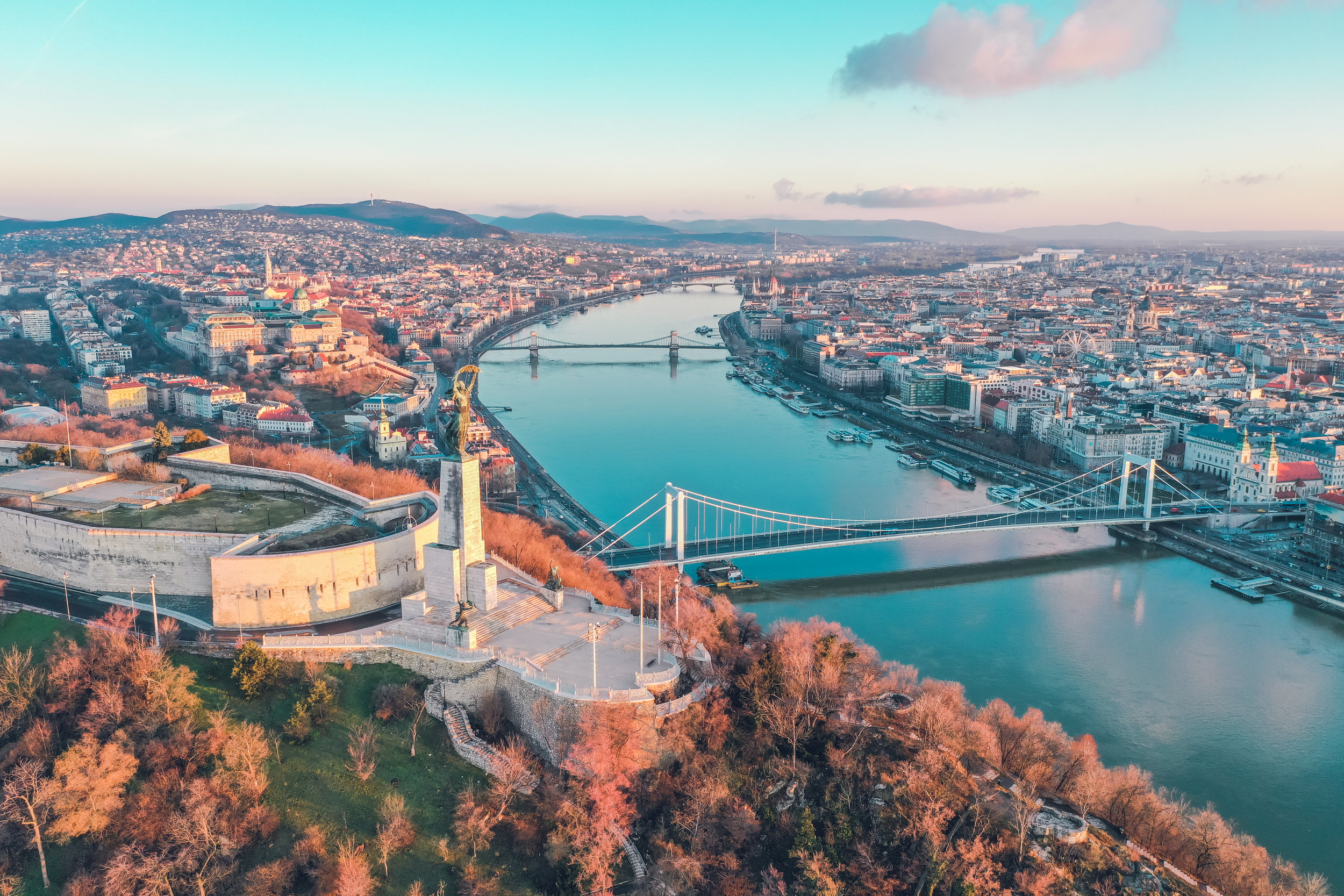
Danubius conference centre, Budapest
The 2013 EuHPN Workshop was titled ‘Reinventing the hospital: Europe’s challenge’. You can download the programme for the event here, and speaker presentations are available from the carousel below.
Presentations
Reinventing the Laurentius Hospital: Corporate Social Responsibility Builds a New Innovative Hospital
Jack Thiadens, CEO Laurentious Hospital, Netherlands
Frank Pörtzgen, Architect, Partner Wiegerinck architectuur stedenbouw
Lessons from a European project: input from RES HOSPITALS to Reinventing the Hospital
Simona Agger, RES Coordinator, Italy
Engaging hospital personnel in searching for energy solutions
Marcin Kautsch and Mateus Lichon, Poland
Using BIM to Optimise New and Refurbished Health Care Facilities
Joram Nauta, Netherlands
Copenhagen 2012
The Future for Strategic Planning of Healthcare Infrastructure
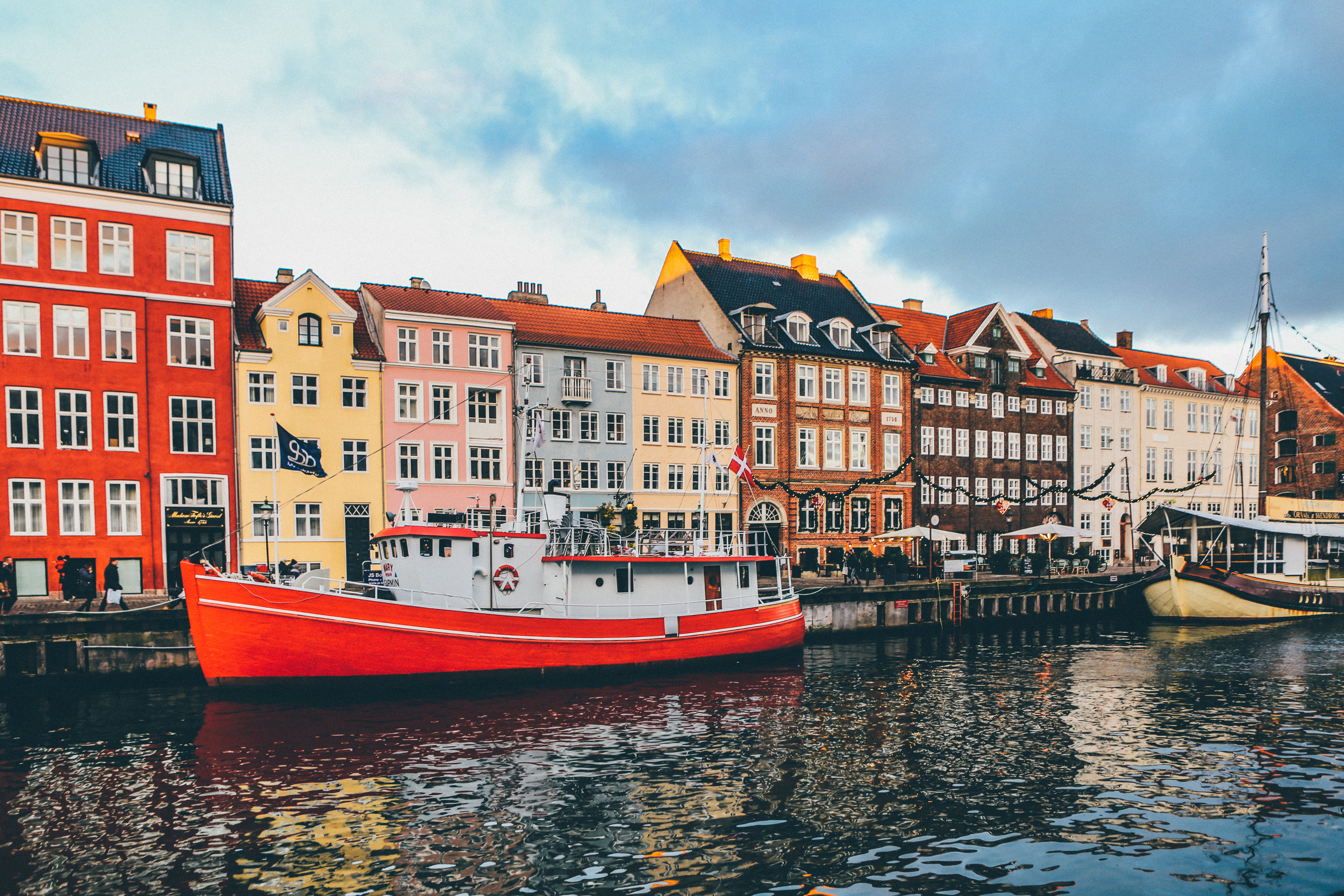
Danish Architecture Centre, Copenhagen
This year the annual EuHPN Workshop returned to the theme of strategic planning of healthcare infrastructure.
Thank you to all the speakers, and to all the participants who attended. We had representatives from 14 different countries, including healthcare architects and engineers, health planners, academics working in the field of health infrastructure development, health policy experts, health economists and senior healthcare administrators. We were particularly pleased to welcome speakers from our ‘sister’ organisation, the European Centre for Health Assets and Architecture (ECHAA). The presentations covered a very wide range of topics linked to the strategic planning of healthcare capital assets – at European, national and regional levels, and in terms of masterplanning individual healthcare facilities.
For anyone who is interested to know more about the 2012 EuHPN workshop, the programme is here and information on the speakers is here. The workshop presentations are available to download below. A full report on the workshop is forthcoming.
Presentations
Post-Occupancy Evaluation Across the Health Estate in Northern Ireland: gathering the views of patients, public and staff
John Cole, Director, Health Estates Investment Group, DHSSPSNI, Northern Ireland
Pre and Post Occupancy Evaluations at the New Erasmus Medical Centre, Netherlands
Liesbeth van Heel, Erasmus Medical Centre, NetherlandsJoram Nauta, DuCHA-TNO, Netherlands
What size is right for inpatient mental health?
Christopher Shaw, Medical Architecture, UK
Regional hospital collaboration in Poland: a response to privatisation in the hospital sector.
Marcin Kautsch and Marek Haber, Poland
Infrastructure implications of digitisation: consequences for planning the health estate
Agneta Granstrom, Norbotten County Council, Sweden
Innovation procurement: delivering efficiency, quality and sustainability in healthcare
Gaynor Whyles, Angus Hunter, LCB-HEALTHCARE
Innovation in Design and Planning the Health Estate: recent examples and trends.
Susan Francis, Executive Director, Architects for Health
Nordic Workshop on Acute Care Hospital Services: Lessons and Outcomes for the Health Estate
Marte Lauvsnes, SINTEF Health Research, Norway
Planning and design for ‘tight fit’ hospital sites – case studies from Ireland and the UK
Claudia Bloom and Duncan Finch, Avanti Architects
Bologna 2011
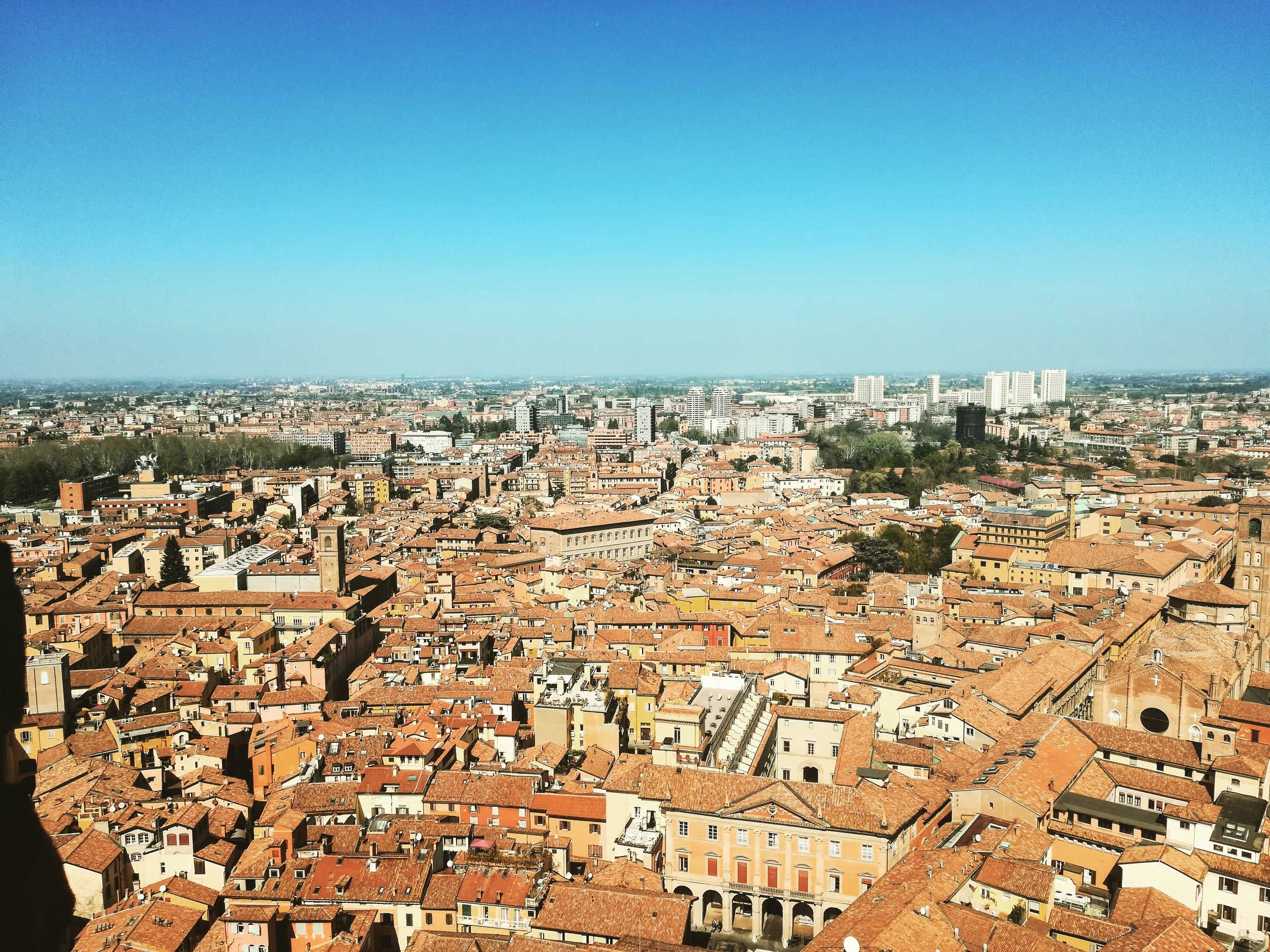
The 2011 EuHPN workshop was held in Bologna, Italy, and hosted by our member organisations the Italian Society for Healthcare Architecture and Engineering (SIAIS). The theme was Sustainable European Healthcare Infrastructure: innovation in procurement, planning and design for a green future. The 2011 workshop was organised in collaboration with LCB-HEALTHCARE.
You can download the workshop programme here, and view a selection of presentations by clicking on the titles below.
Presentations
Ultra Efficiency Lighting for Future Wards: How Public Procurement can Stimulate Innovation
Steph Holmes, Andrew Bissell, Head of Procurement, Lighting Director, Rotherham NHS Foundation Trust, Cundall
Creating successful therapeutic environments (part 4)
Benedict Zucch, Architect Director, BDP, UK
Creating successful therapeutic environments (part 3)
Benedict Zucch, Architect Director, BDP, UK
Creating successful therapeutic environments (part 2)
Benedict Zucch, Architect Director, BDP, UK
Creating successful therapeutic environments (part 1)
Benedict Zucch, Architect Director, BDP, UK
The Power of Architecture
Hennu Kjisik, Professor, Oulu University School of Architecture, Finland
Sustainable European Healthcare Infrastructure: innovation in procurement, planning and design for a green future
Barrie Dowdeswell, Research Director, European Centre for Healthcare Assets and Architecture
Public Procurement of Innovative Solutions: How the Public Sector can support suppliers to innovate
Fergus Harradence, Deputy Director, Innovation Policy, Department of Business, Innovation and Skills, UK